
5 Gilbert HOA Moving Rules: What New Residents Must Know
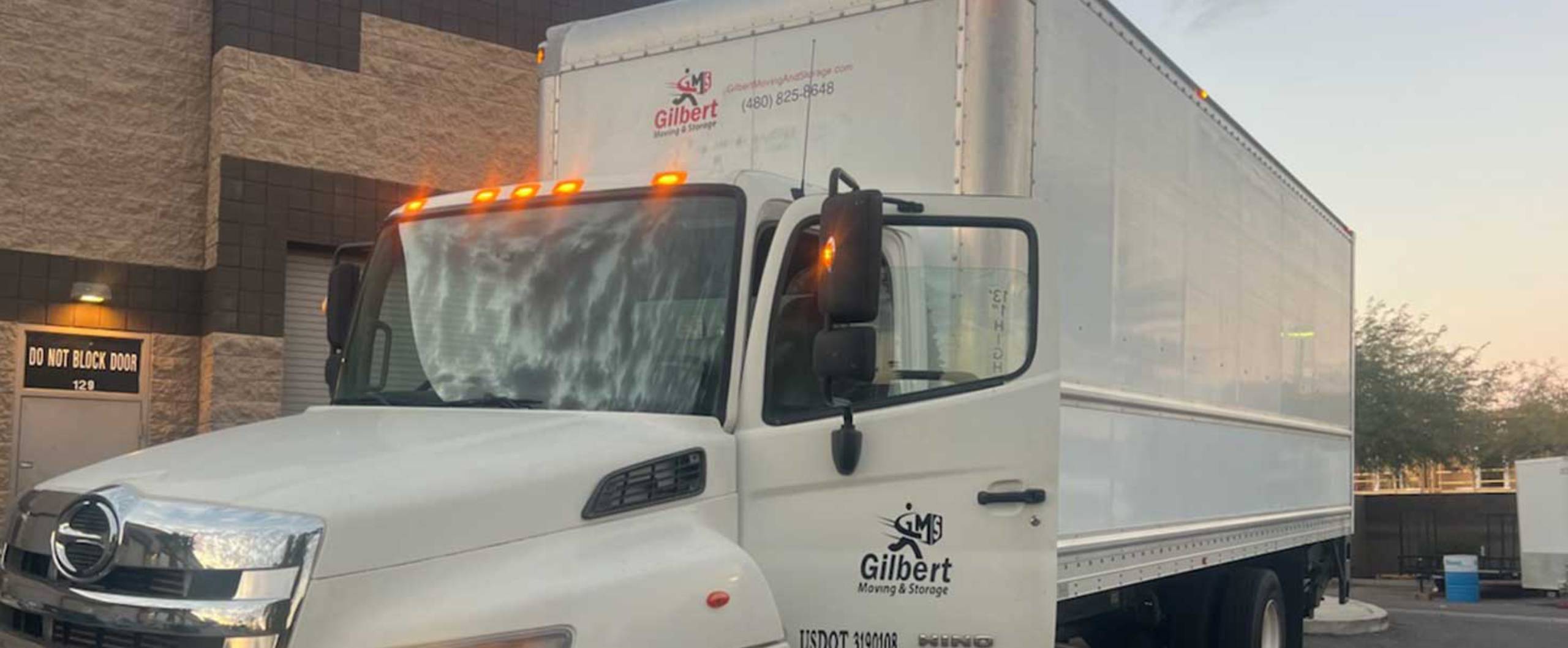
1. Introduction: The Gilbert Moving Day Reality
Welcome to Gilbert. Honestly, it’s a beautiful place to land, but if you’re moving into a neighborhood with a Homeowners Association (HOA), hiring experienced Gilbert movers who understand local CC&Rs is the first step to a stress-free transition.”
The First Impression: More Than a Wave
Look, moving is chaotic. You’ve got sweat dripping in the 104-degree heat and a truck that’s twice as big as your driveway. But in places like Val Vista Lakes or Seville, your moving day is actually your first performance. Neighbors are watching—not because they’re nosy (well, maybe a little), but because they care about the “peace and quiet” they pay monthly dues for. Blocking a neighbor’s driveway for “just five minutes” might seem small to you, but it’s a rocky start to a long-term relationship. Keep it clean, keep it quick.
The “Rule of Law”: Navigating the CC&Rs
In Gilbert, the CC&Rs (Covenants, Conditions, and Restrictions) are basically the neighborhood’s DNA. Whether your community is managed by a giant like AAM or a smaller local outfit, they all have one thing in common: they hate surprises. These rules aren’t there to be annoying; they’re designed to keep the property value—and your investment—from tanking.
Why the HOA Cares About Your Truck
It’s not just a truck to them; it’s a potential obstacle for emergency vehicles or a source of oil stains on the pristine pavement. Most Gilbert HOAs have strict windows for when that ramp can be down. Actually, checking these times before you hire the movers is the smartest move you’ll make all week. Truth be told, nobody wants to start homeownership with a brightly colored violation notice taped to their new front door.
Trust the process. It’s a bit of a headache now, but it’s why the neighborhood looks so good in the first place.
2. Pre-Move Logistics: Getting the “Green Light.”
Before you even tape the first box, you need to play a little game of “Mother, May I?” with your HOA. It sounds tedious. It is. But skipping this part is a one-way ticket to a “Cease” while your sofa is halfway up the driveway.
Permits & The Great Scheduling Act
Most Gilbert HOAs, especially in the more established pockets like Power Ranch, operate on a strict clock. You can’t just roll in at midnight and start thumping boxes around. Check your CC&Rs for “Quiet Hours.” Usually, you’re looking at a 7:00 AM start, and they expect that ramp to be up by dusk. If you’re moving into a gated community, you might even need a temporary gate code for the moving crew. Don’t assume the “Follow Me” method works—guards in these parts take their jobs seriously.
The “Truck Problem”: It’s Bigger Than You Think
Here’s the kicker: your HOA likely has an opinion on where that 26-foot U-Haul sleeps. Most neighborhoods in Gilbert forbid overnight parking for oversized vehicles on the street. If your move spills into a second day—and let’s be honest, it usually does—you need to know if you can park the truck on your driveway or if it needs to go to a staging lot. Actually, some HOAs will let it slide for 24 hours if you give them a heads-up. Truth be told, asking for forgiveness is way more expensive than asking for permission here.
Elevator Reservations: The Vertical Logistical Nightmare
If you’re moving into one of the newer luxury townhomes or condos near the Heritage District, you aren’t just fighting the street; you’re fighting the elevator. You can’t just hog the lift all Saturday. You’ll likely need to “rent” a block of time. The HOA will usually hang those heavy moving pads to protect the interior mirrors—which is great, but only if you’ve booked your slot. Imagine reaching the third floor only to find the elevator is “out of service” for maintenance because you didn’t check the calendar.
Not a fun scenario. A quick email to the property manager saves you a lot of heavy lifting.
3. Protecting the Assets: Floors, Walls, and Common Areas
HOAs in Gilbert are fiercely protective of community property. If you scuff a common hallway or crack a curb with your heavy-duty moving truck, you aren’t just looking at a grumpy neighbor; you’re looking at a formal invoice for repairs.
The Floor Plan: Avoiding the “Grit & Grind”
Arizona is dusty, and that fine desert sand acts like sandpaper under a moving dolly. You might think those old Amazon boxes you flattened are enough protection, but honestly, they’ll just slide around and leave you with a tripped-over mess. Instead, use “Ram Board” or Masonite sheets, which provide a heavy-duty shield for your luxury vinyl or Saltillo tile. Actually, taping the edges down with blue painter’s tape is the secret to keeping the boards from shifting as you haul the heavy stuff.
Simple fix. Massive savings.
The Baseboard Battle: Corner Guards & Padded Jambs
The most common moving injury isn’t a pulled back—it’s a gouged drywall corner. When you’re pivoting a California King mattress through a narrow hallway, that corner is a magnet for disaster. Buy a set of temporary plastic corner guards or, if you’re feeling scrappy, wrap them in thick moving blankets held by stretch wrap. It feels a bit like overkill until you see a sofa leg miss your wall by half an inch.
Entryway Etiquette: The Climate Control Crisis
Keeping the front door propped open for four hours in July is a great way to kill your AC unit and invite half the neighborhood’s fly population inside. Use a “guarded door” policy where one person is responsible for opening and closing the door as movers cycle through. It keeps the house cool, which, surprisingly, keeps the movers from burning out in the afternoon heat.
The bottom line is that the HOA is watching the common areas, but you have to live with the interior damage. Treat the house like a museum for one day. You’ll thank yourself when you’re unpacking in a house that still looks brand new.
4. Trash, Treasure, and Blue Bins
In Gilbert, the desert wind is a real player on moving day. It might feel like a gentle breeze until it catches a stray packing sheet and carries it three blocks over. Suddenly, your move-in mess isn’t just your problem—it’s a community-wide scavenger hunt.
Cardboard Chaos: The Breakdown Battle
You’re going to have a mountain of boxes. It’s inevitable. But here’s the thing: most Gilbert HOAs have a zero-tolerance policy for “curb-side staging.” You can’t just stack them up and hope for the best. You need to break every single box down flat. Actually, trying to cram them all into your blue bin on the first night is a rookie mistake. Truth be told, it’s usually better to schedule a one-time haul-away service or take a trip to the local recycling center yourself.
Bulk Pick-up vs. The “Dumpster Temptation”
If you’ve decided that your 10-year-old recliner isn’t making the cut in the new house, do not—I repeat, do not—leave it next to the community dumpster. This is the fastest way to get a “letter of non-compliance.” Most HOAs have specific bulk pick-up days once a month or require you to call for a special appointment. Dumping a mattress in a shared space is considered “illegal dumping” in many CC&Rs.
Not worth the fine. Seriously.
Litter Penalties: The “Floating Peanut” Problem
Packing peanuts are the enemy of the desert. If they escape your garage and end up in the community pool or a neighbor’s xeriscaped yard, you’re going to hear about it. HOAs can, and will, fine you for “failure to contain refuse.” It sounds harsh, but when you realize how hard those little white specks are to fish out of a pool filter, you start to understand the frustration.
The bottom line? Treat your trash like it’s worth a hundred bucks—because if it escapes, that’s exactly what the fine might cost you. Keep the garage door closed while you’re unboxing, and keep a heavy-duty trash bag taped to your hip.
5. The “Good Neighbor” Protocol
The bottom line is that you’re moving into a community, not just a house. In Gilbert, where neighborhoods often feel like small towns, your moving day is basically your unofficial debut. You can either be the “New Neighbor with the Loud Truck” or the “Considerate New Family.”
The Driveway Disclaimer: Simple Communication
You don’t need to bake a three-tier cake, but a simple knock or a quick flyer in the mailboxes of your immediate neighbors goes a long way. Let them know the truck is coming, approximately how long it’ll be there, and apologize in advance for any blocked views. Actually, thinking everyone is as excited about your arrival as you are is a mistake; they’re mostly worried about whether they can get their SUV out of the garage at 8:00 AM.
A little heads-up buys you a massive amount of grace.
Gate Codes & Security: The “Tailgating” Trap
If you’re moving into a gated community, your movers might be tempted to just follow another car through the gate to save time. Don’t let them. In many Gilbert HOAs, “tailgating” through a security gate is a major violation that can lead to an immediate fine for the homeowner. It’s a security thing. Truth be told, if a neighbor sees a giant, unmarked truck forcing its way through the gate without a code, they’re probably going to call the property manager—or the police.
Watch the “Quiet Hours” (Seriously)
We’ve all been there—it’s 9:00 PM, you’re exhausted, and you just want to get the last three wardrobes out of the truck. But if your HOA has a “no noise after 8:00 PM” rule, that slamming ramp sounds like a gunshot in a quiet cul-de-sac. Not a great look. It’s better to leave the last few items for the morning than to start your first night with a noise complaint.
At the end of the day, these people are going to be your neighbors for years. Starting with a little empathy for their daily routine is the best “moving hack” there is.
6. Conclusion: Turning the Key with Confidence
Moving is a beast. There’s no other way to put it. By the time you’re actually standing in your new Gilbert kitchen, you’ve survived the packing, the heavy lifting, and the inevitable “where is the TV remote?” crisis.
The Survival Checklist Recap
- If you’ve handled the pre-move logistics
- Shielded your floors from that abrasive desert grit
- Kept your cardboard from becoming neighborhood tumbleweeds
You’re already ahead of 90% of new residents. Truth be told, your HOA isn’t some shadow government waiting for you to fail; they’re just the curators of the neighborhood you fell in love with.
A Final Thought on Perfection
Look, your move won’t be perfect. You might miss a “quiet hour” by ten minutes or accidentally let a packing peanut escape into the wind. Actually, the goal isn’t to be a robot—it’s to be a neighbor. When you lead with a little communication and a lot of respect for the community rules, people tend to notice.
Welcome Home
The bottom line is that the stress of the “Moving Day Reality” fades pretty quickly once you’re settled. Soon, the only thing you’ll be worried about is whether to hit the Heritage District for dinner or just enjoy the Arizona sunset from your own backyard.
“By choosing the right local moving services, you can shift your focus from HOA compliance to enjoying your first evening in your new Gilbert home.”
**Frequently Asked Questions: Navigating the Gilbert Move-In**
**1. Can I park my moving truck on the street overnight?**
Honestly? Probably not. Most Gilbert HOAs have strict rules against oversized vehicles sitting on the pavement after the sun goes down. If your move is a two-day marathon, you’ll likely need to stage the truck in your own driveway (if it fits) or find a nearby staging lot. Actually, some communities are fine with it if you give them 24 hours’ notice, but don’t just assume the street is fair game.
**2. How do I keep my new tile floors from getting scratched by heavy dollies?**
Arizona dust is essentially liquid sandpaper. If you just lay down flattened Amazon boxes, the grit will get underneath and grind into your floors as the movers walk. Your best bet is “Ram Board” or Masonite sheets taped down with blue painter’s tape. It feels like a lot of work on a busy day. It is. But it’s a lot cheaper than replacing a cracked Saltillo tile.
**3. What’s the “big deal” with gate codes and moving trucks?**
Here’s the kicker: tailgating. If your movers try to “draft” behind a resident’s car to get through the gate, the HOA’s security cameras will catch it. That’s an immediate violation tied to your account. Give your movers their own temporary code or, better yet, meet them at the gate. It’s a security thing, and Gilbert neighborhoods take it seriously.
**4. What should I do with the mountain of cardboard boxes after unpacking?**
Don’t just pile them at the curb and hope for the best. Most HOAs require boxes to be broken down flat and placed inside your blue recycling bin. If you’ve got more cardboard than bin space, you might need to schedule a private haul-away. Leaving “moving trash” visible from the street is the fastest way to get a “polite” reminder from the board.
**5. What happens if the movers accidentally scuff a hallway in the common area?**
If you’re moving into a condo or townhome, you are responsible for any “scuff and run” damage caused by your crew. Actually, taking “before” photos of the hallways and elevator interior is the smartest move you’ll make. If there was already a gouge in the drywall, you don’t want to be the one paying for the fresh coat of paint.
**6. Are there specific “Quiet Hours” for moving in Gilbert?**
Generally, you’re safe to start at 7:00 AM, but most neighborhoods expect the heavy lifting to wrap up by dusk. If you’re still slamming the truck ramp at 10:00 PM, you’re going to be “that neighbor” before you even meet the people next door. Keep the loud stuff for the daylight hours. Your neighbors (and your future social life) will thank you.

