
Stop the Moving Day Chaos: Your Complete Guide to Stress-Free Packing
Moving is Chaos. We’ve all been there, right? Drowning in a sea of cardboard boxes, wrestling with a tape gun that seems to have a personal vendetta, and wondering how you even accumulated this much stuff. It’s a mess. A total headache.
But what if your next move could be different? What if it could be… organized?
We’ve boiled down years of moving experience into 10 actionable tips designed to transform that overwhelming process into a shockingly smooth operation. This isn’t just about getting from point A to point B; it’s about saving your time, protecting your belongings, and—most importantly—keeping your sanity intact.
Tip 1: Declutter Ruthlessly Before You Pack
This is the golden rule—the absolute number one tip. Do not pack a single box until you’ve decluttered.
Why on earth would you pay to move that broken lamp or those jeans you haven’t worn since 2012? Seriously. Every item you get rid of now is money, time, and energy saved later. It’s the single most effective thing you can do.
Your Game Plan: The Four-Box Method
As you tackle a room, every single object must go into one of four designated piles or boxes:
- Keep: It’s essential, you love it, and it has a place in your new home.
- Donate: It’s in good condition, but you just don’t need it anymore.
- Sell: It has value, and you’ve got the time to list it online or hold a garage sale.
- Trash: It’s broken, expired, or just plain junk. Be ruthless here.
- Now for the kicker: this isn’t a last-minute job. You need to start this decluttering marathon at least 4-6 weeks before your move. That gives you enough breathing room to actually sell the good stuff, make thoughtful trips to the donation center, and avoid the sheer panic of doing it all two nights before the truck arrives.
Tip 2: Create a “Moving Essentials” Box
Picture this: the movers have left. You’re standing in an echoey new living room, surrounded by a mountain of identical brown boxes, and you realize you have no idea where the toilet paper is. Or your phone charger. Or coffee for the morning. It’s a special kind of moving day misery.
This is where the “Moving Essentials” box saves the day. Seriously, think of it as your personal survival kit for the first 24 hours. This is the very last box you pack and the very first one you open.
So, What Goes Inside?
Think about that first night and morning. You’ll definitely need:
- The absolute must-haves: Any daily medications, toiletries (toothbrush, soap), and a roll of toilet paper.
- Creature comforts: A change of clothes, your phone and laptop chargers, and instant coffee or tea bags.
- Basic tools: A box cutter (an absolute non-negotiable!), a screwdriver, and maybe some paper towels.
- Fuel: A few bottles of water and some non-perishable snacks.
And the most crucial rule of all? This box does not go on the truck. Ever. It rides shotgun with you in your car. Trust me, when it’s 11 PM and you just want to brush your teeth and collapse, you’ll be glad you treated this box like the precious cargo it is.
Tip 3: Pack Room by Room
Resist the urge to randomly throw things in boxes. Please. There is a calmer, more zen-like way to do this, and it’s the room-by-room method.
Think about it. You wouldn’t throw your kitchen utensils in the same laundry load as your socks, so why would you pack them in the same box? The goal isn’t just to get things packed; it’s to make unpacking a breeze. When you open a box labelled “KITCHEN,” you should only find kitchen items inside. Simple, right?
Here’s How to Do It
- Pick a room and commit. Finish it before moving to the next.
- Start with the least-used rooms first. That guest room that’s become a storage unit? Perfect starting point. It gets boxes filled and builds your momentum. Save the kitchen and your primary bedroom for last, since you’ll need that stuff until the very end.
- As you finish a room, stack the sealed and labelled boxes together. This creates a satisfying visual of your progress and keeps your main living areas clear for as long as possible.
This method contains the chaos to one area at a time and, more importantly, sets your future self up for a much, much happier unpacking experience.
Tip 4: Master the Art of Labeling
Okay, let’s talk about labeling. Just writing “Kitchen” on ten different boxes is a rookie mistake, basically creating a terrible treasure hunt for your future, exhausted self. We can do so much better. A truly great labeling method is your secret weapon for a fast, organized unpack.
The Simple Recipe for a Perfect Label Here’s the simple recipe for a perfect label.
First, every box needs a clear destination, and you have to be specific. “Bedroom” isn’t helpful when you have three of them. Is it the Main Bedroom or Leo’s Room? That little detail saves a ton of confusion.
Next, give yourself a clue about what’s actually inside. You don’t need a full inventory, just a quick summary like “Pots and Pans” or “Everyday Glasses.” This is the part that stops you from tearing open five different boxes just to find the coffee maker.
And here’s the part that feels like a superpower: add a priority level. A simple “HIGH” for essentials you’ll need on day one is a total game-changer.
Take It to the Pro Level: Color-Code Everything
Want to really take it to the pro level? Color-code everything. Assign a different color of packing tape or a thick marker to each room (e.g., blue for the main bedroom, yellow for the kitchen). This way, you and your movers can see exactly where a box goes from across the room at a single glance. No reading required. It’s a simple trick that makes you look and feel like a moving genius.
Tip 5: Use the Right Supplies (Especially Boxes)
I know it’s tempting. Scrounging for free boxes from the grocery store seems like a smart way to save a few bucks. It’s not. This is a classic false economy, and it often ends in catastrophe—like the bottom of a box filled with your favorite dishes giving out at the worst possible moment.
Investing in proper moving supplies isn’t an expense; it’s insurance for your belongings.
Your Most Important Tool: The Right Box for the Job
They aren’t all created equal. Here’s the simple guide the pros use:
- Small Boxes (1.5 cu ft): These are for the heavy stuff. Think books, tools, canned goods, or vinyl records. Putting heavy items in small boxes prevents them from becoming impossibly heavy.
- Medium Boxes (3.0 cu ft): Your all-purpose workhorse. Perfect for kitchen items, small appliances, toys, and most general household clutter.
- Large Boxes (4.5 cu ft): For light items only! This is key. Use these for bulky things like pillows, blankets, towels, and lampshades. If you pack a large box with heavy things, it’ll be a nightmare to move.
Beyond boxes, don’t skimp on quality packing tape (the cheap stuff doesn’t stick) and plenty of packing paper or bubble wrap. These are the unsung heroes who ensure your things arrive in one piece.
Tip 6: Don’t Overpack Your Boxes
We’ve all seen it. That one, heroic-looking box, bulging at the seams, that no one can actually lift. This is the “hernia-in-a-box,” and you want to avoid creating it at all costs.
Just because you can force a box closed doesn’t mean you should. Taping it shut is a false victory if the bottom blows out the second someone tries to pick it up, or if it’s so heavy that it can’t be safely carried. This is about moving smart, not just moving strong.
Two Simple Rules to Prevent Overpacking
Here are two simple rules to prevent overpacking:
- The Weight Rule: Try to keep every single box under 40 pounds (about 18kg). If you’re packing books in a medium box, for example, only fill it up halfway and then top it off with lighter items like pillows or linens.
- The “Shake” Test: After you tape a box shut, give it a gentle shake. Can you hear or feel things rattling around inside? If so, you need more padding. Open it back up and stuff towels, packing paper, or clothes into the gaps.
A well-packed box is solid, dense, and manageable. It protects your belongings and, just as importantly, it protects the backs of anyone helping you move.
Tip 7: How to Safeguard Your Fragile Stuff
Okay, let’s talk about the nerve-wracking part. The box of breakables.
We’ve all been there—that feeling in your gut as you pack away dishes from your wedding or that irreplaceable (and probably ugly) vase your grandma gave you. It’s a total headache. One wrong move and you’re unpacking a box of sharp, sentimental dust.
But honestly? It doesn’t have to be a catastrophe. I learned this the hard way with my grandmother’s china, and a little extra effort here saves you from that gut-wrenching moment later.
Your Playbook for Protecting Precious Cargo:
First, the Golden Rule: One piece, one wrap. It’s so tempting to save time by bundling two plates together. Just don’t. It’s a false economy, I promise. Wrapping each delicate piece individually in its own protective cocoon of packing paper is the only way to go. Seriously.
Next, build a proper nest for your things. Think of your box as a fortress. You need to build it right. Start with a thick, soft cushion of crumpled paper or towels at the bottom. Then, place your heaviest treasures first. Lighter things can go on top, but make sure you have layers of padding between everything. Ignoring this step is just asking for trouble.
Here’s a pro tip for dishes and glassware… Pack plates on their side, never flat. It sounds weird, I know, but they are exponentially stronger standing vertically—like records in a crate. For glasses, stuff them with paper before you wrap them. This adds crucial internal support. It’s a small thing that makes a huge difference.
Finally, eliminate all spaces. All of it. That wiggle room in your box? That’s the enemy. It’s where things shift, bump, and ultimately, break. Fill every single gap with towels, linens, packing peanuts, and even your socks. Once it’s sealed, give it a gentle shake. If you feel or hear anything move, open it back up and stuff more padding in. It’s not ready until it’s silent.
And for the love of all that is holy, label it like you mean it. This is no time for being subtle. Grab a thick marker and write “FRAGILE — HANDLE WITH CARE” on at least three sides. Draw big arrows pointing up. Make it impossible for the movers, who are often working fast, to miss it. You can’t overdo this part.
Tip 8: Tame the Furniture Beast—Disassemble Before Moving Day
Let’s be real. Trying to pivot a giant bookshelf through a doorway that’s half an inch too narrow is a special kind of moving day hell. You push, you angle, you scrape the walls, and you curse the day you bought it.
Here’s the secret: that bookshelf isn’t one giant, immovable monster. It’s just a collection of flat boards and hardware waiting to be set free.
Taking furniture apart before the truck arrives is, hands down, one of the smartest things you can do. It’s not just about fitting through doors; it’s about playing Tetris in the moving truck like a grandmaster. Flat pieces are stackable gold.
Your Deconstruction Game Plan:
- First, Don’t Wait for Moving Day: This is a task for the week before you move, not the morning of. Pour a drink, put on some music, and give yourself an afternoon. Trust me on this one.
- Identify Your Targets: Not everything needs to come apart. But big-ticket items are prime candidates. Think: bed frames, dining tables (the legs, at least), large bookshelves, and anything from IKEA.
- Take a “Before” Photo: Just like with your electronics, a quick picture of the assembled item is a lifesaver. It’s your cheat sheet for later, showing where that weird-looking bolt is supposed to go.
The Most Important Step: The Bag-and-Tape Method
This part is non-negotiable. Losing a single, crucial screw can turn reassembly from a 10-minute job into a 3-hour nightmare involving a desperate trip to the hardware store.
So, here’s what you do. As you disassemble a piece of furniture:
- Put every single screw, bolt, washer, and Allen key into a small Ziploc bag.
- Seal it shut.
- Using packing tape, tape the bag directly onto the largest piece of the furniture it belongs to.
No more mystery bags of hardware! When you unstack that flat-packed table, the exact screws you need are right there, attached and waiting. It’s a simple trick that feels like a stroke of genius when you’re tired and just want your bed back.
Tip 9: Load the Truck Like a Pro (Your Future Self Will Thank You)
So, all the boxes are packed, sealed, and labelled. The hard part’s over, right? Not quite. How you load the moving truck is the final strategic mission that separates a smooth move from a chaotic one.
Think of it less like randomly throwing luggage in a car trunk and more like packing a parachute. The order matters. A lot. A well-loaded truck isn’t just about fitting everything in; it’s the first step of an organized unpack, and it’s the best insurance policy your belongings have on the road.
Here’s how to think like a loading grandmaster:
- The Golden Rule of Gravity: Heavy on the Bottom. This sounds obvious, but in the chaos of moving day, it’s easy to forget. You wouldn’t put a bowling ball on top of a bag of potato chips, right? Same logic. Boxes of books, dishware, tools, and small appliances are your foundation. They go on the floor of the truck. Lighter things—like boxes of linens, pillows, clothing, and lampshades—can be stacked on top. This simple rule prevents your precious stuff from getting crushed in transit.
- Group by Room: Create Zones in the Truck. Remember all that beautiful color-coding and labelling you did back in Tip 4? This is the moment it pays off, big time. Instead of just shoving boxes in wherever they fit, create zones. Put all the kitchen boxes together. All the main bedroom boxes together. This way, when you arrive, you can say, “Everything blue goes in the master bedroom,” and unload an entire room’s worth of stuff at once. It’s a game-changer. Pro-Tip: Load the stuff you’ll need least first. Items for the garage or spare bedroom should go to the very back of the truck. The essentials box and the kitchen stuff? Keep them near the door so they’re the very first things you unload.
- The Art of Balance: Protect Your Stuff from Shifting. An unbalanced truck is an unhappy truck. If all the heavy items are on one side, things are much more likely to shift, topple, and break while on the road. As you load, imagine you’re building two walls of boxes on the left and right sides. Try to keep them at a roughly even height and weight. Distribute your heavy foundation boxes from side to side before you start building up with lighter ones. This keeps the load stable and your belongings safe.
It might feel like an extra hassle in the moment, but when you arrive and unload systematically, with zero broken items, you’ll be glad you took the time.
Tip 10: The Ultimate Pro Move? Knowing When to Hire the Pros
There’s a certain rugged pride in a DIY move. You, your friends, a rented truck, and a mountain of boxes. It feels like a rite of passage, a way to save a ton of money and stay in complete control. And for many moves, it’s absolutely the right call.
But true moving wisdom isn’t just about knowing how to pack a box perfectly; it’s about knowing your own limits. Sometimes, the smartest, sanest, and even safest decision you can make is to pick up the phone and bring in the professionals. This isn’t admitting defeat. It’s a strategic investment in your own well-being.
Red Flags: When to Seriously Consider Calling for Backup
- The “Specialty Item” Problem: Do you own a piano? A pool table? A massive oak armoire that weighs more than a small car? A delicate grandfather clock? These aren’t just “furniture”; they are specialty items that require unique equipment and experience to move without being destroyed. Don’t even attempt it.
- The Stairway Struggle: Let’s be honest. One flight of straight stairs is manageable. But three flights? A narrow, winding staircase? A tiny elevator? This is where things get dropped, walls get destroyed, and friendships are pushed to their absolute breaking point.
- The “I Value My Spine” Moment: Your back is not a crane. If you or your well-meaning helpers have any history of back trouble, the risk of a serious, costly injury is incredibly high. A hospital bill is always, always more expensive than a moving crew.
- The Sheer Scale of It All: Moving a one-bedroom apartment is a weekend job. Moving a four-bedroom family home packed with a decade’s worth of life is a massive logistical operation. Be realistic about the sheer volume of stuff you have.
It’s Not Just About Muscle; It’s About Peace of Mind
Hiring movers isn’t just about renting muscle; it’s about outsourcing the single biggest source of stress on moving day.
Think about it: when a professional, insured mover accidentally damages your TV, it’s a claim. When your buddy drops it, it’s just a sad, awkward conversation and a loss you have to eat. Professionals carry insurance, and that peace of mind is invaluable. Furthermore, their experience—the sheer knack for seeing the perfect angle to get a couch through a door—removes a huge mental burden from your shoulders, freeing you up to direct traffic and handle the million other details of the day.
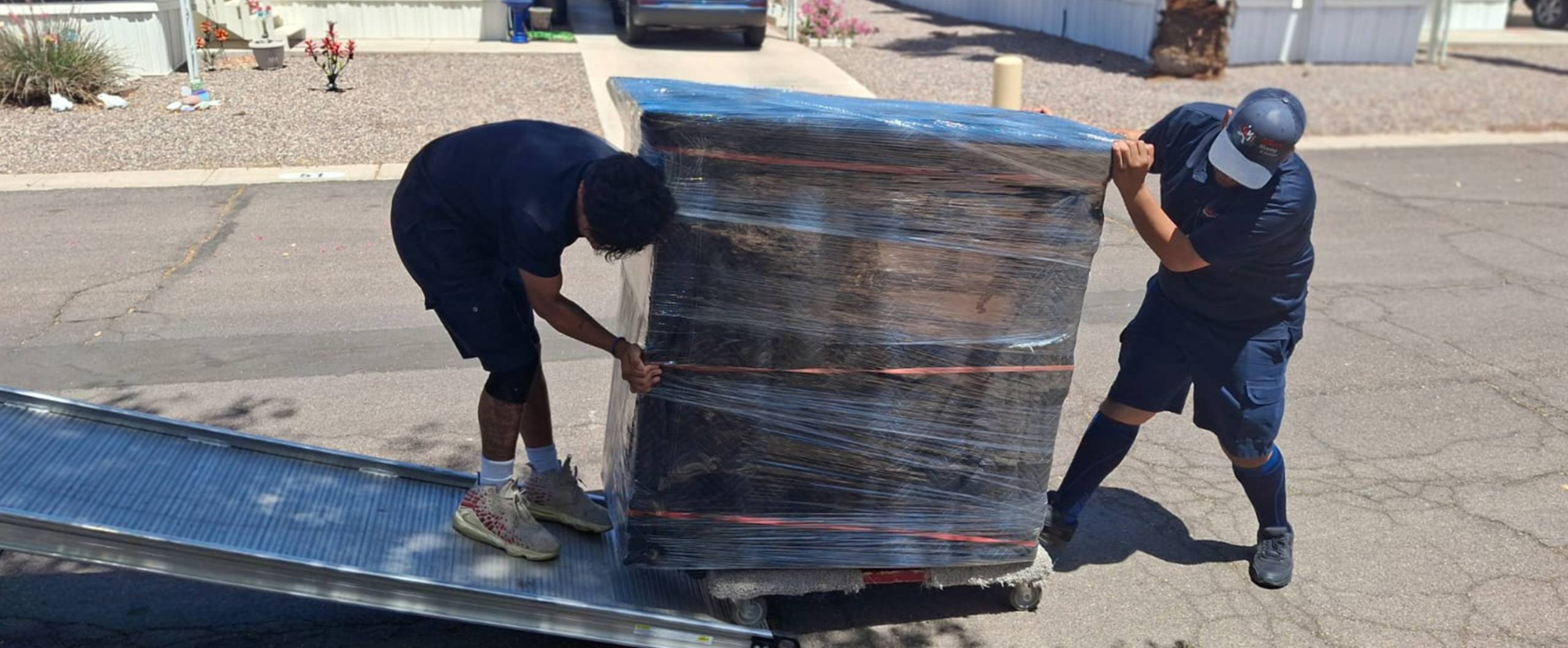
They have the proper gear (dollies, ramps, furniture pads) and, more importantly, they have the experience. You’re not just paying for their time; you’re paying for the fact that they’ve done this a thousand times before. And that, in itself, is worth its weight in gold.
The Last Box Is Packed: You’ve got this.
We started this journey acknowledging that moving often feels like a descent into chaos. A swirling vortex of cardboard, bubble wrap, and existential dread about how much stuff you’ve accumulated. But as you’ve seen throughout these tips, it absolutely doesn’t have to be that way.
By embracing organization, by building a system, you’re not just moving things; you’re moving with purpose, control, and a quiet confidence that everything will get to its new home safely. That feeling of being in command of a process that often feels overwhelming? It’s a game-changer.
This guide has given you a blueprint, really, to transform that mountain of moving tasks into a series of manageable molehills. Moving is a fresh start, and by conquering the packing beast, you’ve already won half the battle.
Ready to Make Your Next Move Your Best Move?
You’ve got the knowledge now, whether you’re tackling every single box yourself or just doing the smart prep. You know the secrets of decluttering, the power of a “Moving Essentials” box, and the genius of proper labelling.
Look, you’ve done the hard part—all the brain work, the organizing, the endless packing. But that final day? It’s pure muscle and sweat. It’s a lot. And let’s be honest, your back probably isn’t getting any younger.
That’s when calling in the pros isn’t a luxury; it’s the smartest play on the board. These folks aren’t just people who lift heavy things; they’re the special forces of moving. They show up with the right gear, the right truck, and a battle-tested plan that isn’t just “get it done somehow.” They do this every Single Day. They know how to protect your stuff, your walls, and your sanity.
So, pick up the phone. Get a quote from your trusted local Arizona Mover, Gilbert Moving and Storage. Think of it as the ultimate upgrade for your move—the one that turns a day of aches and pains into a day of just pointing and smiling.

