
How to Move with Pets Across Town
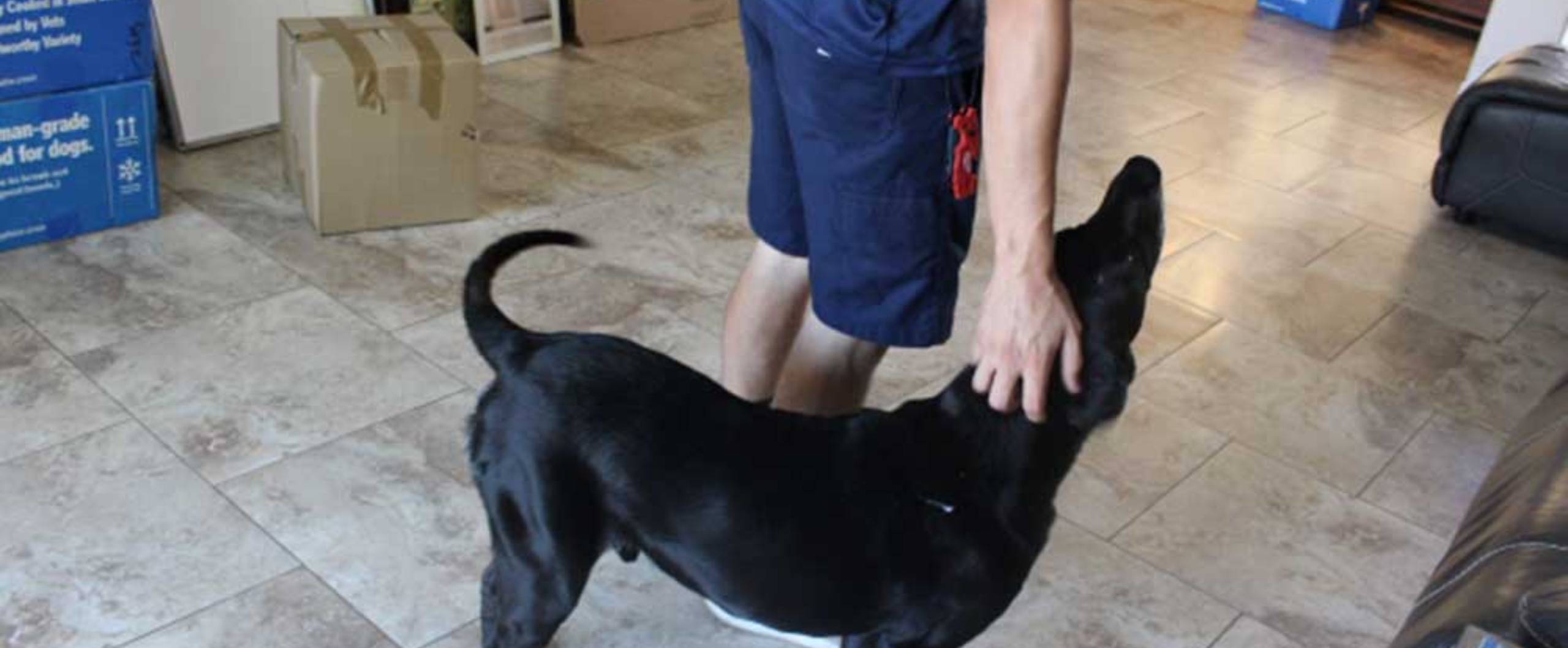
The Stress-Free Guide to a Calm Transition
Hello there, chaos partner! Moving “just across town” sounds like a breeze on paper, but to a dog or cat, it’s basically an alien abduction. Let’s architect a guide that treats them like the family members they are, rather than just another piece of furniture to haul
Section 1: The “Box Invasion” (The Pre-Move Psychology)
Let’s be honest: your dog or cat is a furry detective. Long before the first truck arrives, they’ve already sniffed out the truth. The atmosphere in the house shifts from “relaxed home” to “transition zone,” and for a territorial animal, that’s a major red flag.
The Scent of Change: The “Zip-Rip” of Anxiety
Pets don’t see a “planned relocation”; they see their world being dismantled. Dogs might start pacing the hallway, while cats often become “invisible,” tucked away in the deepest corner of a closet. The “zip-rip” sound of a tape gun is essentially a fire alarm for their nervous system.
If you find yourself buried in bubble wrap, remember that your stress is contagious. One of the best ways to keep the “vibes” low-key is to outsource the chaos. Bringing in professional packing services doesn’t just save your back; it keeps the house quiet and predictable for your pets for a few extra days. The less time you spend wrestling with tape and boxes, the more time you have to maintain their “it’s all okay” walk schedule.
Safe Havens: Protecting the “Last Room Standing”
Cardboard everywhere. It’s the hallmark of a move, but it’s also a maze of new, weird smells. To reduce the “spidey-senses” of your pets, you need to designate a Safe Haven. Choose one room—ideally the one where they sleep—and keep it exactly as it is until the very last hour.
Actually, wait—it’s even better if you can keep their favorite rug or bed in that room, unwashed. That familiar “home smell” acts like an emotional anchor. When the reliable local movers arrive at your door, you can tuck your pet into this sanctuary with some white noise or a radio playing softly. It prevents them from seeing the “big scary items” like sofas and dining tables leave the house, which can be deeply unsettling for a guard dog or a territorial cat.
The Pheromone Secret: Chemical Calm
Think of pheromone diffusers or sprays as a “scented hug” for your pet. Products like Feliway for cats or Adaptil for dogs mimic the natural calming chemicals mothers release to their litters.
- Pro-Tip: Start these diffusers at least a week before the boxes start piling up.
- The Goal: You want to saturate the “old” house and the “new” house simultaneously.
The bottom line is that moving across town is a marathon, not a sprint. If your closing dates don’t line up perfectly and you’re worried about your pet navigating a cluttered, half-packed house, secure storage units for your non-essentials.
Clearing the floor space early makes the home feel less like a construction site and more like a place where a cat can still find its favorite sunspot. Gilbert Moving & Storage can help bridge that gap, ensuring your move stays as organized as possible while you focus on what really matters: keeping those tails wagging.
Section 2: Dogs vs. Cats: A Tale of Two Panics
If you’ve ever tried to explain a closing date to a Golden Retriever, you know the struggle. But even though we call them both “pets,” dogs and cats experience the stress of a local move through entirely different lenses.
The Dog Perspective: “Am I Part of the Pack?”
For your dog, the world is defined by who they are with. When the rugs come up and the furniture starts disappearing, their primary fear isn’t losing the house—it’s losing you. They become shadows, following you from room to room, leaning against your legs while you try to pack a box.
The click-clack of their nails on a floor that’s suddenly bare of carpet is a lonely sound. They sense the “exit energy.” To keep them grounded, you have to prioritize their social routine over your packing to-do list. Keeping their favorite tennis ball nearby or maintaining that 5:00 PM walk is non-negotiable. If the logistics of local residential moving start to overwhelm your ability to play fetch, it might be time to call in the pros to handle the heavy lifting while you handle the emotional support.
The Cat Perspective: “The Kingdom is Falling”
Cats are different. While a dog’s home is their people, a cat’s home is their walls. They are the sentinels of their territory, and every time you put a lamp in a box, you’re essentially deleting a piece of their identity. A move across town—even if it’s just three blocks away—is a complete “unmooring” for a cat.
Don’t be surprised if your usually cuddly cat suddenly becomes a ghost, hiding under the guest bed for twelve hours straight. They aren’t being “difficult”; they are grieving their territory. Actually, come to think of it, we often mistake cat anxiety for being aloof, but it’s actually a high-alert survival response. They aren’t judging your choice of a new neighborhood; they are just wondering where their “invisible scent markers” went.
The Great Divide
The bottom line is that while your dog is worried about the future (the “where are we going?”), your cat is worried about the present (the “why is my couch gone?”). Balancing these two distinct energies is the secret to a quiet house. You have to reassure the dog with presence and reassure the cat with privacy. It’s like herding cats while simultaneously being chased by a very needy toddler. Exhausting? Absolutely. But seeing them both curled up in the new living room on night one? Worth every bit of the effort.
Section 3: The “Big Day” Protocol: Keeping the Peace
Moving day is a cacophony of stress. Between the heavy footsteps of professional movers and the metallic rattle of the truck’s ramp, your pet is likely feeling completely unmoored. When you’re figuring out how to move with pets across town, the secret isn’t in the transport—it’s in the isolation.
The “Invisible Pet” Strategy
The safest place for a pet on moving day is a room that’s already empty. The bathroom or a large laundry room works wonders. Put their bed, water bowl, and a few high-value treats in there, and then—this is the hard part—close the door and put a giant “DO NOT OPEN” sign on it.
This prevents the “Great Escape.” With people coming in and out of the house, a bolted door is the only way to ensure your cat doesn’t become a neighborhood legend for all the wrong reasons. They don’t need to see the chaos; they just need to feel safe while the heavy lifting happens.
The Car Ride: No Shortcuts on Safety
It’s only a ten-minute drive, right? You might be tempted to let the dog sit in your lap or let the cat wander the backseat. Actually, forget that “it’s just a quick trip” mindset—it’s a recipe for a distracted driving disaster.
Even for a short hop across town, use the carrier. A sudden brake or a sharp turn can turn a loose pet into a projectile or, worse, send them under your brake pedal. Keep the AC humming and maybe play some soft classical music. It sounds cliché, but it helps mask the roar of the traffic and the unfamiliar vibration of the car.
The “Last Out, First In” Rule
When the old house is finally an empty shell, your pet should be the very last thing you load into your car. Once you arrive at the new place, they should be the first ones brought inside.
Door slams—heavy feet. The “moving day” energy is contagious. By making them the priority during the transition, you’re signaling that the pack is still together, even if the walls have changed. Once you’re inside the new house, find another quiet “Safe Haven” room immediately. Lock them in with a familiar toy while you and the crew handle the unloading. It’s a long day for everyone, but for a pet, a little silence is the greatest gift you can give them.
Section 4: Landing Safely: The First 48 Hours
The “Base Camp” Strategy
For a cat, an entire house is a massive amount of territory to defend all at once. It’s overwhelming. Primal, even. Instead of letting them roam immediately, set up a “Base Camp” in a quiet bedroom or the laundry room.
Fill it with their litter box, food, and plenty of places to hide. Let them own that one room first. Once they stop acting like a “pancake” on the floor and start exploring the corners, you can open the door a crack. Actually, wait—don’t just open the door and walk away. Stay with them. Let them use you as a “safety base” while they sniff the new hallway.
Unpacking the “Smell of Home”
Here’s a mistake I see all the time: people buy a new house and think, “New start! Let’s wash all the dog beds and cat blankets!”
Don’t do it. Your pet needs their old “stink.” That layer of familiar dander and home-scent is the only thing telling their brain that they aren’t in a cold, sterile environment. It sounds gross, but keep those unwashed beds for at least a week. If the house feels too empty or the boxes are taking too long to unpack, hiring residential moving experts to finish the setup can help you get those familiar rugs and furniture pieces in place faster, which grounds your pet much more effectively than a bare floor ever could.
The Neighborhood “Sniff-ari”
For dogs, the move isn’t real until they’ve “mapped” the neighborhood. Their nose is their GPS. On the first evening, take them on a very slow, very boring walk around the block.
Let them sniff every fire hydrant and blade of grass. They are collecting data on the local “residents” and marking their own presence. It’s a “Sniff-ari.” One short walk can lower their heart rate significantly because it turns the “unknown” into the “familiar.” Just keep the leash tight—new sights and sounds can trigger a “bolt” response in even the most well-behaved dogs.
Section 5: The Logistics: The Boring (but Vital) Bits
Let’s talk about the stuff no one actually wants to do: the paperwork. When you’re figuring out how to move with pets across town, it’s tempting to think the short distance means you can skip the admin. Wait—that’s a mistake. A move is a move, whether it’s ten miles or ten thousand.
Tightening the “Digital Leash”
The very second you get those new keys, log into your pet’s microchip registry. If your dog gets spooked by a neighbor’s leaf blower and bolts out the new front door, that chip is their only ticket back to you. An outdated address on a microchip makes it a fancy piece of useless tech. Not exactly a risk you want to take.
The New ID Tag
Don’t wait for a custom-engraved tag to arrive in the mail. Buy a temporary “write-on” tag at the local pet store or use a permanent marker on their current one. It’s a five-minute job. It saves you a lifetime of “what-ifs.”
Vet Records & The Paper Trail
If your move means switching clinics, don’t just “hope” they can transfer the files when you need them. Grab a digital copy of your pet’s vaccination history and any active prescriptions before you leave. Keeping these in a dedicated “Move Folder” is a total lifesaver if an emergency happens on day two. Honestly, if the mountain of forms and the physical exhaustion of the haul is getting to be too much, hiring stress-free moving services can handle the heavy lifting. That way, you have the brainpower left to handle these critical safety steps.
Section 6: Closing Thoughts: The “New Normal”
The bottom line is that the “3-3-3 rule” is your new best friend: 3 days to decompress, 3 weeks to learn the new rhythm, and 3 months to truly feel at home. You’re going to find some mystery puddles on the carpet. There might be some 3 AM howling.
Honestly? That’s okay.
Here’s the kicker: Your pets don’t care about the granite countertops or the better school district. They just care that the “pack” is still together. As long as you are there with their old, smelly bed and a predictable dinner time, they will settle in. Moving is a massive disruption, but it’s also a chance to bond through a shared adventure.
Take a breath. Give them an extra treat. You’re home now. If you need a hand getting the rest of the boxes settled so you can finally relax with your furry friends, our local move specialists are ready when you are.

