
The Golden Rule: The 4:00 AM “Dawn Patrol”
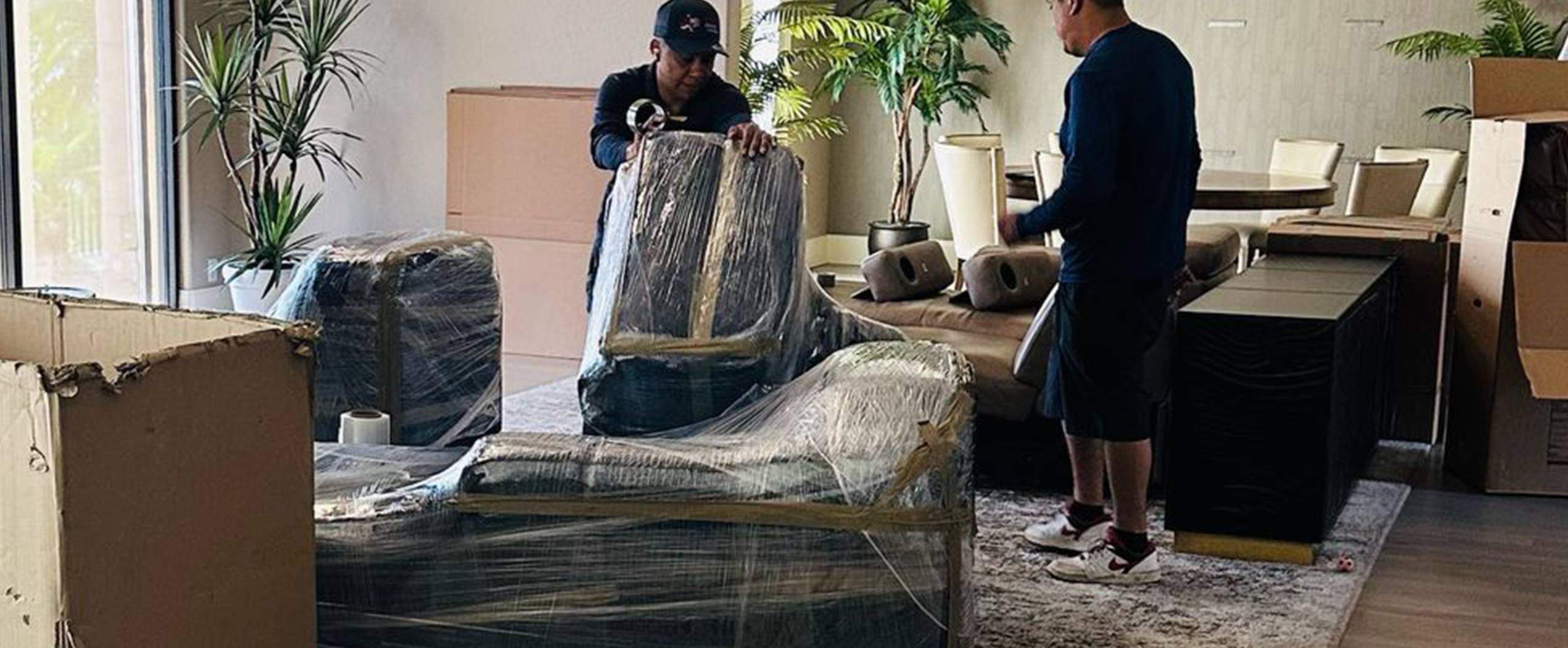
Moving in the Valley during July is less of a “to-do” and more of a tactical operation. If you aren’t careful, the heat won’t just ruin your day—it’ll fry your electronics and probably send someone to the ER. Honestly? Most moving guides are too soft for the Sonoran Desert.
Here is the actual survival blueprint for moving when the pavement is literally hot enough to bake a tray of cookies.
In Arizona, the sun isn’t just a light source; it’s a timer. If you aren’t pulling the ramp out of the truck by 4:00 AM, you’ve already lost the day.
Seriously. By the time the rest of the world is pouring their first cup of coffee, you should be halfway through the heavy lifting. The goal is to be finished—door locked, AC cranking—by the time the local news anchor mentions an “Excessive Heat Warning” for the tenth time.
The Loading Window
You have exactly four hours of “tolerable” air. Once 9:00 AM hits, the temperature climbs ten degrees an hour until the pavement starts shimmering like a lake. That’s your cue to stop. If you’re still hauling a sectional up a flight of stairs at noon? You aren’t just working hard; you’re flirting with a heat-induced disaster. Trust me, the “one more box” mentality is how people end up in the back of an ambulance.
Movers’ Etiquette (The “Water Hack”)
If you hire pros, do not just point them toward a lukewarm garden hose. They are athletes in a furnace. You need a dedicated cooler—stocked with ice, Gatorade, and water—that is accessible from the driveway.
- The Pro Move: Soak a few small hand towels in ice water and keep them in the cooler. Handing a freezing towel to a guy who’s been in the back of a 120-degree truck is better than a tip. (Well, maybe not better, but they’ll definitely work faster for you).
Truck Placement & The “Branding Iron” Effect
Scout your driveway the night before. If you can park that U-Haul so the back is in the shade for most of the morning, do it. Metal ramps in the Sonoran sun become literal branding irons. I’ve seen people lose skin on their palms just by bracing themselves against the truck’s side. If you can’t find shade, throw an old moving blanket over the ramp when you aren’t using it. It’s a small step that saves a lot of swearing.
2. The “Meltdown” List: Protecting Heat-Sensitive Cargo
Your average moving truck is basically a mobile sauna. Actually, no—it’s an oven. If it’s 110°F outside, the temperature inside that metal box is easily hitting 130°F or more within twenty minutes. If you treat your electronics and heirlooms like they’re “just another box,” you’re going to be opening a lot of expensive trash when you reach the new place.
The Candle Catastrophe
I’ve seen it happen. You pack your favorite $30 scented candles in a box with your “good” linens, and by the time you unload, you have a wax-soaked quilt that smells like Midnight Jasmine and regret. Professional packing for your most fragile items can save you from this kind of thermal destruction.
Do not put candles in the truck. Period. They will melt into a puddle and ruin everything they touch. If you value your candles (or your clothes), they go in a cooler or the floorboard of your car where the AC is hitting them directly.
Electronics & Lithium-Ion: The “Cool Cab” Protocol
Heat and lithium-ion batteries are a match made in hell. Your MacBook, iPad, and even your “extra” power banks cannot—I repeat, cannot—stay in the truck. High heat can cause batteries to swell, leak, or just fail.
- The Survival Hack: Pack a dedicated “Tech Bag.” Everything with a screen or a battery stays in the passenger seat of the car you’re driving. If your iPhone screen goes black and shows that “Temperature” warning? That’s your sign you’re failing the move. (Seriously, those things aren’t cheap).
The Vinyl & Media Crisis
Vinyl records are essentially just sheets of plastic waiting to become art projects.[Verify: Most vinyl starts warping at around 140°F, which is exactly the temp inside a parked U-Haul]. If you have a collection, it travels in a climate-controlled environment. Same goes for old family photos or VHS tapes. Once they warp, they’re gone. There is no “unwarping” a record.
Indoor Plants: The “Greenhouse-Lite” Setup
Your Monstera didn’t sign up for this. Moving a plant in the back of a hot truck is a death sentence. The lack of airflow combined with the heat will cook the leaves in under an hour.
- The Pro Move: Clear out the front seat. Give them a “greenhouse-lite” experience with some shade and direct AC. If you have too many plants to fit in the car, give them to a friend or sell them on Marketplace. Better they live somewhere else than die in your driveway.
3. Desert Logistics: Prepping the New House
Walking into your new home after six hours of hauling boxes is supposed to be a celebration. But if you didn’t plan, walking into a 95-degree house feels like walking into a punch in the face. You can’t just flip the AC on when you arrive and expect it to be cool by lunch. It doesn’t work that way.
The AC “Pre-Game”: The 48-Hour Chill-Down
In the desert, your house has “thermal mass.” The walls, the floors, and every piece of drywall are holding onto the heat. If the power has been off for a week, that house is essentially a giant brick oven.
- The Survival Move: Get your utilities turned on at least 48 hours before the move. Set that thermostat to 72°F and let it run. You need to pull the heat out of the structure itself. (Actually, make it 70°F—your movers will thank you, and you’ll sleep better). If you wait until moving day, the AC will just struggle all day and never catch up.
The “Fridge First” Rule: The Holy Grail of Ice
Forget the bed. Forget the TV. The very first thing you do when you walk in is plug in the refrigerator. Wait, let me backtrack—clean it quickly, then plug it in. You need that freezer cranking out ice as fast as humanly possible.
- The Pro Move: Bring two or three 10-pound bags of ice with you in a separate cooler. Use one for your drinks and dump the others into the freezer bin. Having a “holy grail” of ice cubes ready for your water bottle is the difference between staying hydrated and hitting a wall by 1:00 PM
Floor Protection: The “Branding Iron” Shoe Problem
This is the one nobody talks about. If you’ve been walking on a 150-degree driveway, the soles of your shoes are literal heat-transfer pads. If you walk directly onto new vinyl or carpet, you can actually leave a mark or melt the fibers.
- The Fix: Lay down some heavy-duty floor protection or even just old flattened moving boxes from the garage to the front door. It’s not just about dirt; it’s about thermal protection for your floors. (Plus, it gives you a slightly cooler surface to stand on while you’re maneuvering that heavy
4. Personal Survival: Heat Exhaustion vs. Heat Stroke
Moving in the Arizona summer isn’t a test of your “grit.” It’s a biological battle. If you treat this like a normal Saturday move, you’re going to end up horizontal in the back of an ambulance. The desert doesn’t care how tough you think you are. Honestly? No box is worth a three-day stay at Banner Health.
The Gallon-a-Day Rule (And the Electrolyte Balance)
Water isn’t enough. Actually, scratch that—water is half the battle. If you just chug plain water all day, you’ll flush out your salts and end up with a pounding headache and muscle cramps.
- The Survival Hack: For every two bottles of water, drink one Gatorade or Liquid I.V. You need the electrolytes to keep your heart from racing. And the “Gallon-a-Day” rule? That’s the bare minimum. If you aren’t peeing every two hours, you’re already dehydrated. Period.
Clothing: The “Athleisure” Trap
You’d think those high-tech, skin-tight gym clothes would be perfect for sweating, but they often trap heat against your skin. In 110-degree weather, you want airflow.
- The Pro Move: Loose, light-colored cotton. It’s an old-school desert trick for a reason. Cotton breathes and allows your sweat to actually evaporate, which is the only way your body can cool itself down. Also, wear a hat. A wide-brimmed one. You might look like a dork, but your scalp won’t be sunburnt by noon.
The “Stop” Signs: Exhaustion vs. Stroke
This is where it gets life-or-death. You need to know the difference between “I’m tired” and “My organs are starting to cook.”
Heat Exhaustion: You’re sweating like crazy, you feel nauseous, and you’re a little dizzy. The Fix: Stop. Right now. Get in the AC, put a cold towel on your neck, and stop moving for an hour.
The “Stop” Signs: Exhaustion vs. Stroke (continued)
Heat Stroke: This is the emergency. If you stop sweating but your skin feels hot and dry, or if you feel “chills” and goosebumps while it’s 112 degrees out? That’s your body’s cooling system failing. You are in immediate danger. The Bottom Line: Call 911. Don’t wait to see if you “feel better.” Heat stroke can cause permanent brain damage in minutes.
Listen to your body. If you start feeling “off” or get a metallic taste in your mouth, the move is over for the day. Call the movers, tell them to leave the rest in the garage, and go sit in the dark with some ice. The boxes can wait. You can’t.
Don’t risk a heat-induced meltdown trying to haul a heavy sectional across a 150-degree driveway on your own. Let the pros at Gilbert Moving & Storage handle the “Dawn Patrol” while you stay safe and cool in the AC. Reach out for a free quote today, and let’s get your move finished before the afternoon sun starts cooking the pavement.
Arizona Summer Moving: The “No-Nonsense” FAQ
Moving in the Sonoran Desert during a heatwave isn’t just about logistics; it’s about survival. Here are the answers to the questions people usually realize they should have asked halfway through a 110-degree afternoon.
1. Is starting at 7:00 AM early enough for a July move?
Honestly? No. By 7:00 AM, the sun is already starting to cook the pavement. You’re already behind. In the Valley, the “Dawn Patrol” starts at 4:00 AM. You want the heavy lifting—the couches, the appliances, the 50-pound boxes—finished by the time the first cicada starts screaming. If you’re still loading at 10:00 AM, you’re flirting with heat exhaustion.
2. What items will actually melt if I leave them in the truck?
A lot more than you think. Your favorite Yankee Candle will become a wax puddle in 20 minutes and ruin whatever is in the box below it. Vinyl records will warp into art projects. Actually, anything with a lithium-ion battery—like your MacBook or iPad—is a high-risk fire hazard if it sits in a 130-degree truck.
- The Golden Rule: If you wouldn’t leave it in a hot car for an hour, don’t put it in the moving truck.
3. How much water do I really need to provide for my movers?
A gallon per person, minimum. But don’t just give them plain water. If they’re sweating like crazy for four hours, they’re losing salts. Provide a cooler with ice, water, and plenty of Gatorade or Liquid I.V.
- The Pro Move: Keep some small hand towels soaking in that ice water. Handing a freezing towel to a guy who just hauled a fridge is the best way to ensure your move stays on schedule.
3. How much water do I really need to provide for my movers?
- The Pro Move: Keep some small hand towels soaking in that ice water. Handing a freezing towel to a guy who just hauled a fridge is the best way to ensure your move stays on schedule.
4. Can I just turn the AC on when I get to the new house?
You can, but you’ll regret it. Your new house is essentially a giant brick oven that has been soaking up the sun for days. If the power has been off, the walls themselves are holding onto 95-degree heat.
- The 48-Hour Rule: Get your utilities turned on two days before the move. Set the thermostat to 70°F and let it run. You need to pull the heat out of the structure before you start bringing in boxes that will only trap more heat.
5. What if I start feeling “chills” while moving in the 110-degree heat?
Stop. Everything. Immediately. If you feel chills or get goosebumps when it’s 112 degrees outside, your body’s cooling system has officially failed. You are in the early stages of heat stroke.
- The Bottom Line: Get into the AC, put ice on your neck and armpits, and call 911. Don’t try to “tough it out” to finish the last few boxes. Heat stroke can cause permanent brain damage in minutes. It’s not a joke.
6. Do I really need a climate-controlled storage unit for a week?
Wait, let me backtrack—if you’re storing things for more than 24 hours in an Arizona summer, “climate-controlled” isn’t a luxury; it’s a requirement. A standard metal storage unit in Phoenix can hit 140°F. That will liquefy glue in furniture, crack wooden frames, and destroy electronics. If you value your stuff, pay the extra $40 for the AC unit. Your future self will thank you.

